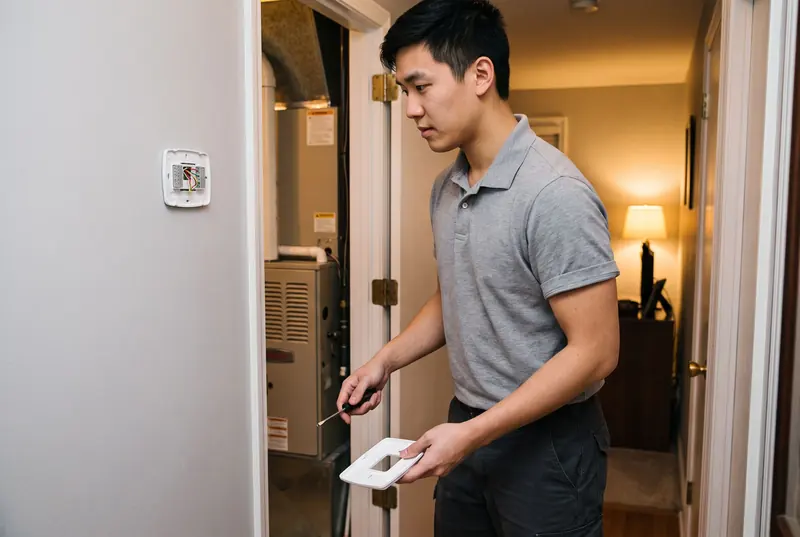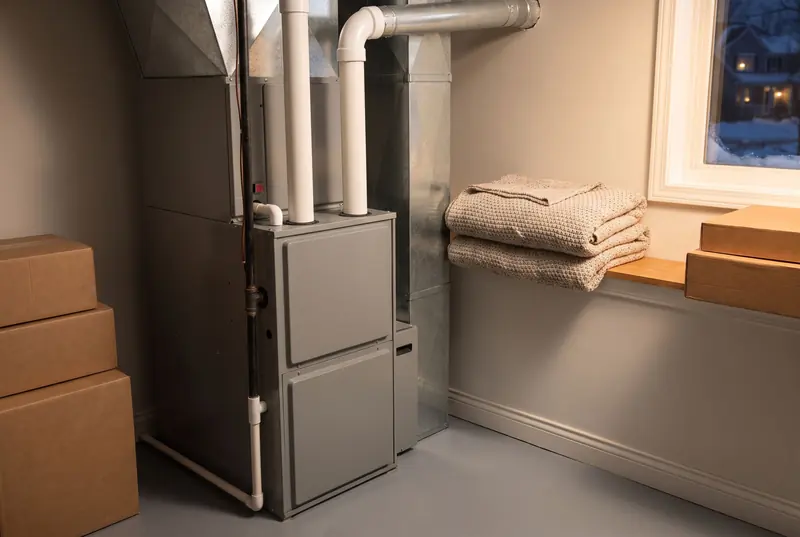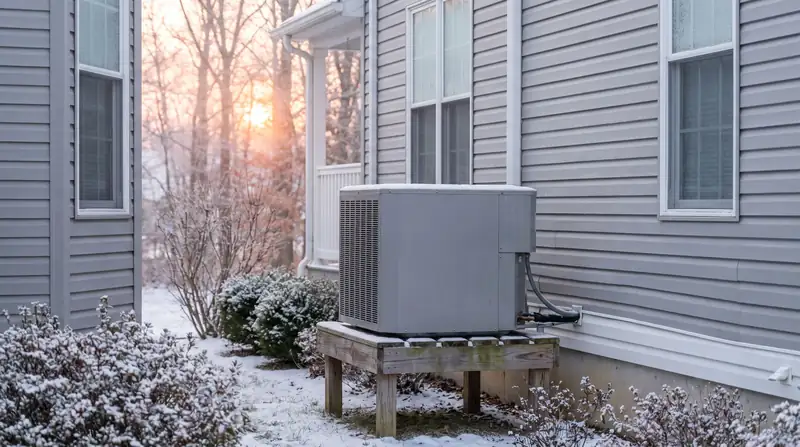

When the heat goes out in Odessa, TX, the clock starts running, and the diagnosis depends entirely on what kind of system is doing the failing. On a gas furnace, the most common no-heat call we run is a flame sensor coated in oxide: the burners light, the sensor cannot prove the flame, and the board shuts the gas down after the third attempt and locks out. Close behind come cracked hot surface igniters, stuck pressure switches, clogged condensate traps on high-efficiency models, and blower motors that have quietly worn out. Heat pumps fail differently: a weak defrost cycle leaves the outdoor coil armored in ice, a failed reversing valve strands the system in cooling, and a dead outdoor unit leaves the electric backup strips carrying the whole house at several times the operating cost.
Most of our service calls are for Furnace Repair. If something has stopped working, start there.
Warning Signs for Heating Repair
Recognizing the warning signs early can save you time and money. Watch for these telltale signs:
- A loud boom when the burners light, which points to delayed ignition
- Higher heating bills with less comfort to show for them
- Cold air, or no air at all, when the thermostat calls for heat
- Uneven heat, with certain rooms that never warm up
- A furnace that tries to light, clicks, and then quits
- Short cycling every few minutes while the house stays cold
- A heat pump's outdoor unit encased in frost or ice
- Burning, musty, or rotten-egg odors when the heat runs
Act Before It Gets Worse
A failing capacitor, clogged condensate drain, or dirty flame sensor rarely fixes itself and usually gets more expensive to address the longer it runs. Don't wait, call (432) 200-0740 and we'll take a look right away.